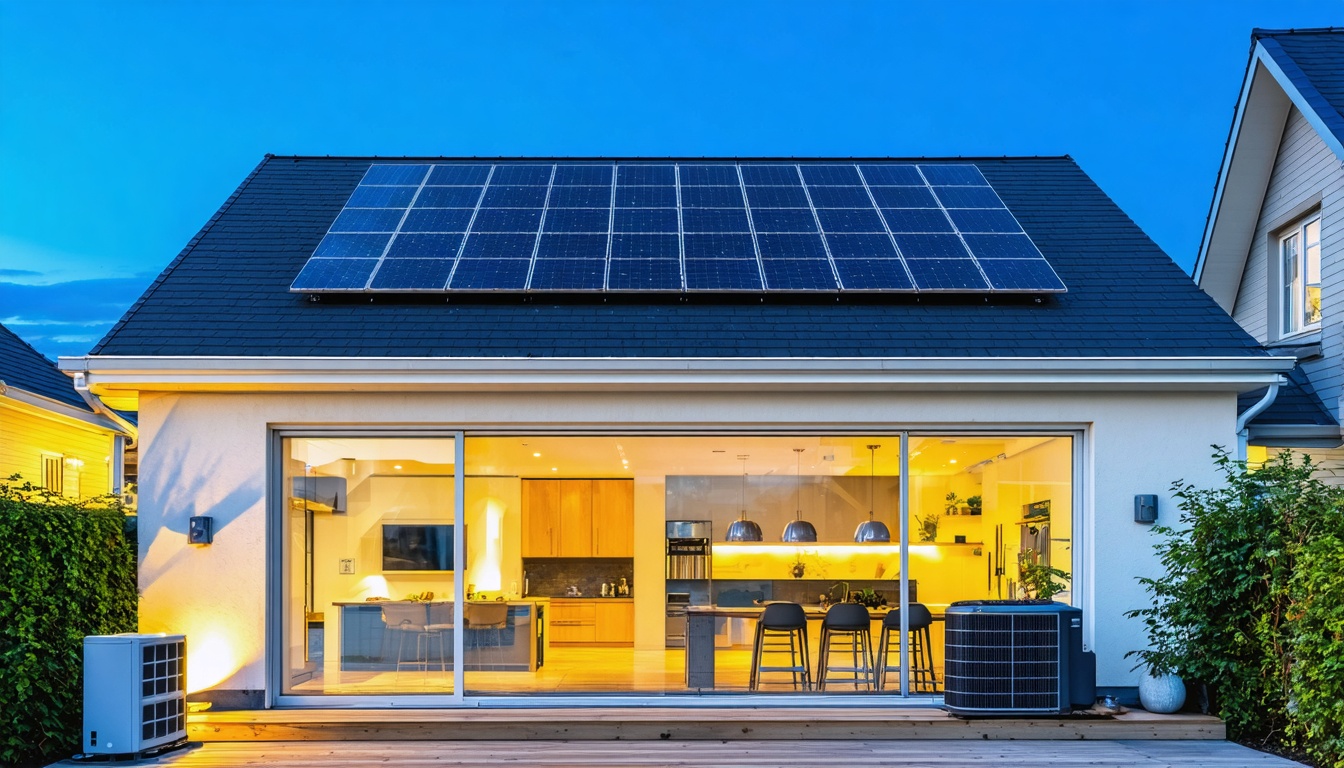
Home Energy Efficiency Improvements That Complement Solar Power
Investing in solar panels for your home is a strategic decision, particularly when paired with appropriate energy efficiency improvements. Inefficient insulation or outdated appliances can lead to significant energy loss, undermining the effectiveness of solar energy systems. By optimizing your property's energy usage, you can enhance the overall performance of your solar setup while potentially reducing energy costs further. Several upgrades can complement solar power systems effectively. For example, installing smart thermostats can lead to better temperature control and reduced energy consumption. Improved windows, such as those with low-emissivity (Low-E) coatings, can minimize heat transfer, thereby decreasing the reliance on heating and cooling systems. Other options include energy-efficient appliances, which consume less electricity and can significantly lower monthly utility bills. To maximize the return on your investment in solar energy, it is crucial to prioritize the upgrades that will yield the highest efficiency gains. Conducting an energy audit can help identify areas where improvements will be most impactful. In summary, a comprehensive approach to energy efficiency, alongside solar power integration, can lead to substantial financial and environmental benefits.
Benefits of Integrating Energy Efficiency Upgrades with Solar Power
Integrating energy efficiency upgrades with solar power offers a methodical approach to improving the functionality of renewable energy systems while also providing potential financial advantages.
Improvements applicable to both residential and commercial properties include upgrading windows and doors, enhancing insulation, and installing Energy Star-rated appliances, heat pumps, and heat pump water heaters. For residential properties in Paterson, these upgrades can be complemented by Residential Solar Services in Paterson to optimize energy efficiency.
These upgrades can effectively reduce heat loss, minimize air leaks, and decrease overall electricity consumption. By enhancing the energy performance of buildings, it becomes possible to support a suitably sized solar power system. This can result in lower installation costs and increased energy output.
Additionally, these upgrades contribute to improved indoor air quality, as energy-efficient appliances and systems tend to operate with greater efficiency and reduced emissions.
In the United States, there are federal tax incentives available for homeowners who adopt energy-efficient practices, which can alleviate some of the financial burdens associated with these upgrades.
The integration of energy efficiency measures not only has the potential to lower energy bills but may also aid in reducing an individual's carbon footprint, aligning with broader environmental goals.
Consequently, the combination of energy efficiency improvements with solar power represents a pragmatic approach to energy management and financial investment, supported by empirical data and established practices.
Types of Energy Efficient Home Improvements
Implementing various energy efficiency improvements can complement the effectiveness of a solar power system. Upgrading to Energy Star® appliances and switching from traditional water heaters to heat pump water heaters can lead to notable enhancements in energy efficiency while also supporting satisfactory indoor air quality.
Replacing windows and doors can help minimize heat loss and air leaks, contributing to a more efficient home and reducing overall carbon emissions.
The installation of smart thermostats can facilitate better management of energy usage, which may lead to reduced utility costs. Additionally, adopting LED lighting serves to decrease electrical consumption compared to traditional incandescent bulbs, further lowering energy demand.
Many of these energy efficiency upgrades might be eligible for federal tax credits, which can help improve accessibility for homeowners across the United States. For detailed information concerning eligibility and potential benefits, homeowners are encouraged to consult appropriate resources or organizations that provide guidance on energy efficiency initiatives.
Enhancing Your Home’s Envelope: Insulation and Sealing
The energy efficiency of a home is largely influenced by the quality of its envelope, specifically regarding insulation and sealing. Upgrading insulation in attics and walls can potentially reduce heat loss by approximately 30%, which can improve both comfort levels and overall energy efficiency.
Likewise, sealing air leaks around windows and doors has demonstrated a decrease in heating and cooling costs, typically within the range of 10% to 20%.
Homeowners aiming to enhance energy efficiency should consider implementing high R-value insulation panels, as these may be eligible for federal tax credits.
Additionally, conducting a thorough energy audit can help pinpoint areas that require improvement.
Recent trends indicate that many homeowners in the United States have initiated steps towards increasing energy efficiency, contributing to lower energy consumption and a diminished carbon footprint.
Upgrading Heating, Cooling, and Water Heating Systems
Upgrading heating, cooling, and water heating systems can improve a home's energy efficiency, especially when combined with solar power installations. Recent advancements have introduced efficient heat pumps and Heat Pump Water Heaters (HPWH) that can help U.S. homeowners reduce energy consumption and lower operational costs.
Energy Star® certified systems are specifically designed to enhance energy use efficiency, support better indoor air quality, and minimize heat loss.
Key improvements in energy systems include the replacement of outdated water heater units, sealing of air leaks, and the installation of smart thermostats. These upgrades facilitate efficient energy management and can enhance overall comfort within the home.
Additionally, there are federal tax credits available that provide financial incentives to homeowners implementing these upgrades, making such projects more feasible.
Homeowners may find it beneficial to consult with a Star Partner for further information and to address specific queries related to home efficiency improvements.
The Role of Smart Technology in Home Energy Management
The development of smart technology has proven to be a valuable resource for homeowners aiming to optimize their solar energy systems and improve overall energy efficiency. The incorporation of smart devices, such as smart thermostats, enables users to schedule energy-intensive activities during periods of peak solar energy production. This practice helps in maximizing the advantages of solar investments.
Furthermore, these technologies allow for the monitoring of electricity usage across various household appliances, including those powered by heat pump technology and conventional natural gas water heaters.
Enhancements in energy efficiency can also be realized through upgrading windows and doors, which reduce heat loss and assist in maintaining indoor air quality. Smart home systems present a systematic approach to energy management, potentially resulting in lower energy expenses and a reduced carbon footprint for homeowners.
In the United States, access to these advancements has become more widespread, empowering both residential and commercial sectors to implement more effective energy consumption and management strategies.
Overall, the application of smart technology in home energy management addresses increasing energy demands and environmental issues, equipping homeowners with tools for sound energy use.
Financial Incentives and Tax Credits for Energy Efficiency
Financial incentives are an important factor in mitigating the financial challenges associated with improving energy efficiency in residential properties. In the United States, homeowners can access a 30% federal tax credit for several energy-efficient upgrades. These include the installation of solar panels, heat pumps, water heaters, and energy-efficient windows and doors. The tax credit is also applicable to new heat pump water heaters, natural gas upgrades, and battery storage solutions.
To avail of these credits, homeowners are required to complete IRS Form 5695 each year. Notably, there are no lifetime limits on the number of claims that can be made. However, starting in 2025, homeowners will need to secure a manufacturer's PIN and verify the improvements made to be eligible for these credits.
The implementation of energy-efficient upgrades may lead to reduced heat loss and enhanced indoor air quality, subsequently improving overall comfort within the home.
Additionally, these upgrades have the potential to yield long-term savings on energy bills while contributing to a reduction in carbon emissions. As such, a thorough understanding of these financial incentives can serve as a practical method for homeowners who are considering energy efficiency improvements in a financially responsible way.
Steps to Assess and Prioritize Home Energy Improvements
If you are considering improvements to your home's energy efficiency alongside a solar power system, the initial step should be to conduct a comprehensive energy audit.
This assessment identifies specific areas where energy may be wasted or where inefficiencies occur. Engaging certified professionals can yield detailed evaluations of critical components, such as air leaks, windows, doors, and insulation.
In conjunction with the energy audit findings, upgrading to energy-efficient appliances with Energy Star ratings is recommended.
Additionally, investing in efficient water heaters and heat pumps can contribute to overall energy savings. Newer technologies, like heat pump water heaters, also offer potential benefits.
Other relevant projects include installing smart thermostats and upgrading hot water systems as appropriate.
When prioritizing energy improvements, it is beneficial to focus on measures that optimize the performance of your electric panel, reduce heat loss, and enhance indoor air quality.
It is also prudent to research available financial incentives, including federal or state tax credits, which can help mitigate the costs associated with these upgrades.
Consulting with experts can provide further insights into the process and clarify the potential benefits related to energy efficiency improvements.
Maximizing Savings Through Strategic Upgrade Planning
Strategic planning is essential for optimizing savings through energy efficiency upgrades and the incorporation of solar energy. To start, conducting a thorough home energy audit is advisable. This audit can identify areas with air leaks and highlight potential improvements in energy efficiency. Upgrades such as the installation of Energy Star-rated windows and doors can lead to a measurable reduction in energy loss.
Additionally, integrating modern heating solutions—like heat pumps, heat pump water heaters, and smart thermostats—can significantly decrease reliance on natural gas and electricity while ensuring a stable indoor climate.
When undertaking upgrade projects, it is critical to do so in a structured manner to leverage available federal tax credits and solar incentives in the United States. This approach can improve the economic viability of solar panel installations and other energy-efficient enhancements.
For detailed information on specific upgrades and incentives, consulting a qualified professional can provide useful insights and address common queries.
Partnering with Certified Professionals for Installation and Evaluation
Partnering with certified professionals for installation and evaluation of energy upgrades is essential for ensuring compatibility with solar power systems. Conducting a comprehensive assessment is vital for pinpointing potential enhancements that can increase energy efficiency and lower electricity costs. Common improvements include upgrading windows, doors, and insulation, as well as addressing air leaks where energy loss is prevalent.
Certified assessors provide crucial oversight to ensure compliance with federal standards and best practices. This often entails the installation of Energy Star-rated equipment such as solar panels, smart thermostats, heat pumps, and heat pump water heaters. These systems are designed to enhance energy efficiency and contribute to the reduction of the carbon footprint associated with residential and commercial energy use.
In addition, certified professionals possess knowledge of various tax credits and rebates available in the United States, which can support homeowners and businesses in navigating financial incentives. These incentives may help to offset the investment costs associated with energy upgrades, potentially making these improvements more financially feasible.
Collaborating with qualified experts also leads to improved indoor air quality and overall comfort within living and working environments.
Conclusion
Combining energy efficiency upgrades with solar power can lead to substantial savings and enhanced comfort within a home. Improving insulation, sealing air leaks, and selecting energy-efficient appliances are essential steps to reducing overall energy consumption. These measures can complement the energy produced by solar panels, allowing homeowners to optimize the financial returns on their solar investments. Additionally, integrating smart technology can help in monitoring and managing energy usage more effectively. Thoughtful landscaping can also play a role in maximizing solar efficiency by positioning plants to reduce shading on solar panels, thus increasing their efficacy. Proper planning and professional guidance can facilitate the installation of energy efficiency measures and solar systems, ensuring that homeowners can take advantage of various incentives available for such improvements. Overall, adopting these strategies can contribute to a more sustainable and energy-efficient home.